One of the most fundamental requirements for living is fresh air. The quality of the air in the homes, offices and schools, day-care centers as well as public buildings, healthcare facilities, and various other public and private buildings in which people spend a substantial amount in their lives is a crucial indicator of a healthy life and overall well-being.
The pollutants commonly present in indoor air can cause various negative consequences, it’s unclear at what levels or lengths of exposure are needed to trigger specific health issues. Your child might react different to air pollutants in the indoor environment. However, there is a chance that you are not affected by the air quality of your home.
What is the reason for that? Let’s discover the answer.
What exactly is pollution of the air?
The indoor air pollution is the result of the usage of polluting and inefficient technology and fuels within and around homes that release a range of harmful substances including tiny particles that get into the bloodstream after pinning into the lung. Fine particles in smoke from indoors can be up to 100 times more than what is acceptable in houses that are poorly ventilated.
As per the WHO The WHO states that indoor pollution air appears to constitute the “world’s biggest single health risk for an environment.”
Indoor Air Quality Index (IAQI) What is the reason we have to think about it?
Indoor Air Quality (IAQ) is the term used to describe the quality of air within and around buildings and structures especially in relation to the health and well-being of the building’s inhabitants. If we are able to understand and manage the general indoor understanding and reducing the common indoor pollutants, it can reduce the risks of having health issues in the home.
The combustion of solid fuels indoors is responsible for around 1.5 million deaths across the globe every year. The majority of them are children and women in the developing nations.
What can we do to improve quality of air in our homes?
A good ventilation system One of the most effective ways to protect yourself from exposure to bad indoor air is by opening their windows but ventilation systems are also a great way to cleanse the air. A proper ventilation system should be a top priority in the building process, particularly for homes with poor ventilation such as a window located just above the cooking stove, and cross-ventilation via doors must be taken.
Changes in behavior Behavior changes and habits are based on how stoves are utilized and the amount of time individuals are spending in various micro-environments around and inside the home.
The home environment must be in good conditiony – Many fungi and bacteria species are found in damp conditions, and release spores cells fragments, and chemical compounds in the air. The presence or the worsening of allergies, respiratory symptoms or asthma, as well as immunological reactions have been associated with exposure to these pollutants.
Stove style Smoky or leaky cook stoves must be replaced with stoves which are efficient in fuel as well as smoke-free and with an exit.
Apollo Life Air Sanitizer Utilizing this Apollo Life Air Sanitizer, you can fight bacterial odors within the air. By eliminating odors of bad smells and germs molecules from the air, the Air Sanitizer puts a fresh scent into the air. It also guards against illnesses-causing germs such as bacteria, viruses, and fungi. The product fights the presence of germs in the air. It protects your family members from the spread of bacteria and viruses that can cause illness.
High-efficiency particulate matter (HEPA) filter filters HEPA filters that effectively eliminate pollutants like Mould dust mites, spores and pet dander and tobacco smoke, are able to assist in reducing indoor air pollution. HEPA filtering systems, in actual are able to remove 99.97 percent of airborne particles 0.3 microns or greater from the air passing through them.
The filters are used in a myriad of ways that include air purifiers, vacuums, as well as heating and cooling systems.
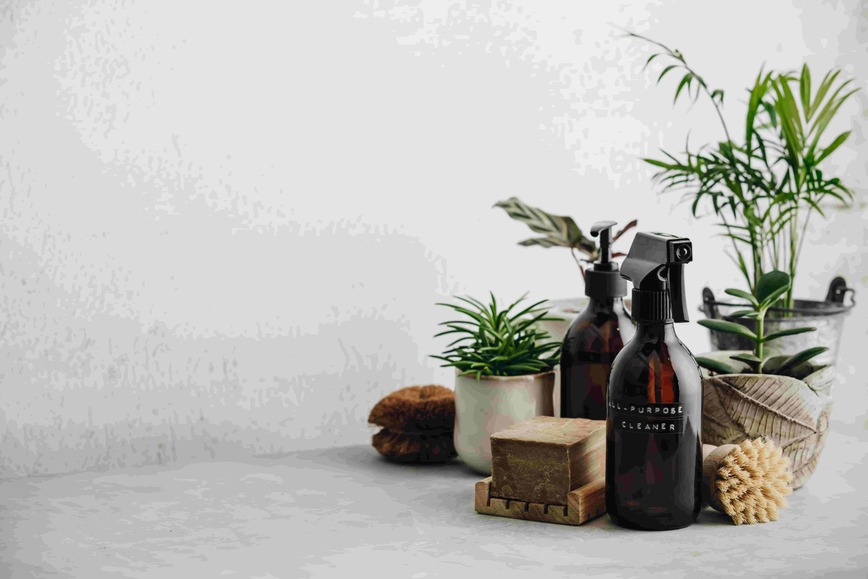
Cleaners that are green A lot of traditional cleaning products contain dangerous chemical compounds that pollute the indoor air. Select green cleaners that are made from natural ingredients like borax, white vinegar, citrus fruits, baking soda, and essential oils to stay clear of this. The natural ingredients are safe and effective in cleansing surfaces as well as taking off dust, dirt and dirt.
Plants that grow indoors Indoor plants NASA conducted an air pollution study in 1989 that revealed that some indoor plants were very effective in removing a range of airborne pollutants. English Ivy, pathos plants as well as peace lily plant species, bamboo palms and many more are examples.
Purifiers for air Air purifiers will protect your family from air pollutants in the indoor environment through the removal of contaminants such as dust, pollen, mould spores, pet dander and even spores. They also have the capability of getting rid of VOCs and carbon monoxide as well as other dangerous chemicals.
As of now, these actions can be implemented to reduce the indoor air pollution.

I am a WordPress Developer and SEO Executive. I've been writing blogs for the past 1 year, and I love to read books. I'm passionate about helping businesses reach their potential through content writing, SEO techniques and website development.