
The Thrill of Risk and Reward
At the core of casino gaming lies the psychological appeal of risk and reward. Many players are drawn to the adrenaline rush that accompanies gambling, which taps into our natural inclination towards risk-taking. The uncertainty of whether one will win or lose creates a heightened sense of excitement, making the gaming experience more thrilling. In many cases, it can be invigorating to engage in games such as texas hold'em online free, which emphasize the blend of strategy and chance. This psychological phenomenon is often referred to as ‘the gambler’s high,’ akin to the euphoria experienced in other high-stakes scenarios.
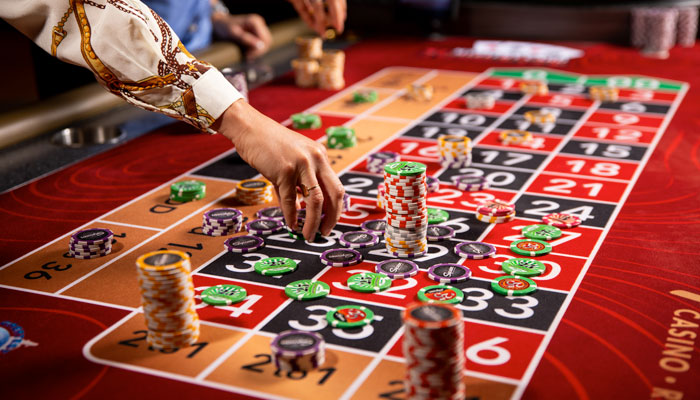
The anticipation of a potential win can often overshadow the reality of losing. Players might find themselves reluctant to leave the table or the slot machine, driven by the prospect of a big payout. This behavior can be linked to various cognitive biases, such as the illusion of control, where individuals believe they can influence the outcome of the game despite the inherent randomness.
The Social Aspect of Casino Gaming
Casinos are not just venues for gambling; they are social hubs where friends and strangers gather with a shared interest in gaming. The social interactions that occur during gameplay can amplify the enjoyment of the experience. Players often form connections through shared wins and losses, fostering a sense of community and camaraderie. This social reinforcement can lead to increased participation as players seek not only the thrill of gambling but also the company of others.
Additionally, the environment of a casino is designed to enhance social engagement. With vibrant lights, sounds of cheers, and the buzz of activity, players are immersed in a stimulating atmosphere that encourages interaction. This social dimension of gaming can make casino visits a memorable experience, cementing players’ desire to return.
Escapism and Entertainment
For many, casino gaming serves as a form of escapism. The allure of stepping into a vibrant world, away from daily stresses and responsibilities, can be incredibly appealing. Players often seek the excitement of the casino as a means of distraction, allowing them to lose themselves in the potential of winning or the thrill of the game. This kind of escapism is a significant factor in why people choose to engage in gaming activities.
Moreover, the entertainment value of casinos cannot be overlooked. With various games available, from poker to slot machines, players find an endless array of options to choose from. This variety caters to different interests and preferences, enhancing the overall appeal of casino gaming as a leisure activity. Consequently, individuals are drawn not only for the chance to win money but also for the enjoyment that gaming provides.
The Psychological Effects of Winning and Losing
The psychology of casino gaming is profoundly affected by the outcomes players experience. Winning can trigger a release of dopamine, a neurotransmitter associated with pleasure and reward, reinforcing the desire to play. This chemical reaction can lead to a cycle where players continuously seek that high, often leading to what is known as ‘chasing losses.’ This term describes the behavior where individuals continue to gamble in an attempt to recover lost money, driven by the hope of recapturing that victorious feeling.
On the other hand, losing can bring about feelings of frustration and disappointment. However, players may rationalize their losses, believing that better luck is just around the corner. This mindset can contribute to a persistent gambling habit, as individuals convince themselves that their next visit to the casino will yield the desired results. Understanding these psychological effects is key to recognizing the complexities of gambling behavior.
Understanding Responsible Gaming
As discussions around casino gaming evolve, the importance of responsible gaming has come to the forefront. Understanding the psychology behind why people gamble is crucial for promoting healthier gaming habits. Recognizing the signs of problematic gambling behavior can help individuals make informed decisions about their gaming activities. Casinos are increasingly implementing programs and resources aimed at educating players about responsible gaming practices.
These initiatives can include self-exclusion programs, informational campaigns, and accessibility to support services for those struggling with gambling issues. An emphasis on responsible gaming not only fosters a safe environment for players but also helps maintain the integrity of the gaming experience. Educating the public about the psychological elements that drive gambling can empower individuals to enjoy gaming responsibly while mitigating potential risks.
