What we consume every day could influence the way we digest food generally. Dietician Anupama Menon talks about foods that can benefit digestion, and also the ones that could make your digestion problems more severe.
Are you suffering from poor digestion and have a tendency to have digestive health issues? Your eating habits may be the cause of your gut health issues. The foods we consume every day will affect the way we digestion of food generally. This is because of the gut microbiota, the vast community of microorganisms which reside within our digestive tract. It plays a vital role play in our bodies, including digestion, immunity, and metabolism to remove toxins. Foods that are high in saturated fats are deficient in fiber, and loaded with sugar can cause inflammation, causing damage to the gut lining and degrading the overall health of our body, eating various and varied meals will help to maintain the health of your microbiome in the gut. Consuming foods that are high in fiber, such as entire grains, fruit, and vegetables can offer an increase in the diversity of our microbiota and overall well-being.
“The digesting system of the body is essential to break down food and ensure that the nutrients are absorbed by the body. A lot of people are suffering from various digestive disorders and symptoms that range from abdominal pain and discomfort to gas, bloating, constipation, and diarrhea. These symptoms could be moderate to severe. Conditions like Irritable Bowel Disease, Gastroesophageal Reflux Disease (GERD) Crohn’s Disease, Ulcerative Colitis, and diverticulitis are responsible for several of these symptoms.
Best foods for digestion
- Fermented foods: Yogurt, sauerkraut, kimchi, kefir miso, kombucha, kombucha as well as pickled cucumbers, are great for gut health. They are full of probiotics that help balance healthy gut bacteria and guard the body against harmful bacteria. Incorporating fermented foods into your diet could provide many health benefits as well as reduce gas and bloating.
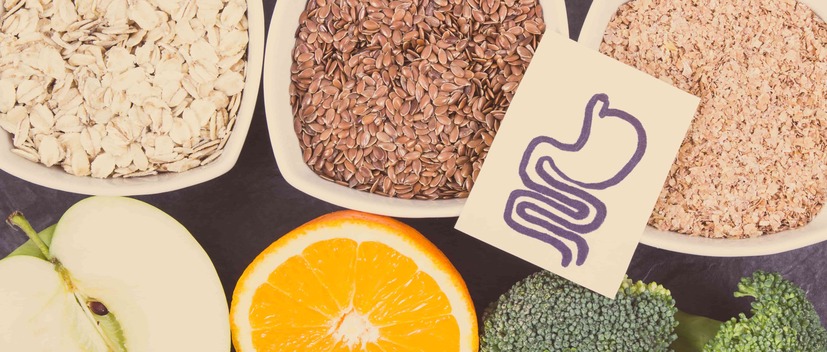
- Whole grains: Whole wheat, oats barley, buckwheat brown rice, and popcorn are all examples of whole grains. They contain prebiotics that provides food for healthy bacteria. They are high in fiber and nutrients whole grains can help fill the stool, which assists in preventing constipation.
- Fruits: Pears, apples, and raspberries, as well as bananas and papayas, are great fruits to nourish your digestive system. Fruits are rich in fiber and contain minerals and vitamins which aid digestion. A wide selection of fruits can help maintain regular bowel movements and ease digestion symptoms.
- Tea: Ginger, peppermint, dandelion, fennel, and chamomile are a few of the teas I’d suggest. Consuming hot tea right after meals can ease many digestive issues, including gas, nausea, bloating stomach cramps, and heartburn. Tea is also helpful in breaking down the fats in your diet and relaxes abdominal muscles
Worst foods for digestion
- Fried Food: Fried foods are high in fiber and could cause diarrhea. Consuming it for a long period of time could affect the health of your gut.
- Processed food: This type of food is devoid of nutrients, is high in sugar, is deficient in fiber, and has preservatives. These elements can cause constipation, as well as other digestive issues.
- Artificial sweeteners: Artificial sweeteners could cause abdominal cramps and diarrhea.
- Alcohol: Alcohol can be an irritation for digestion, and can slow down digestion, affecting acid production. This can cause abdominal pain.
- Dals, pulses, and legumes: Sometimes, they can create abdominal pain. It is therefore recommended to soak them in water and then pressure cook them using cooking soda, which helps in reducing the production of gas in people who are sensitive.

I am a WordPress Developer and SEO Executive. I've been writing blogs for the past 1 year, and I love to read books. I'm passionate about helping businesses reach their potential through content writing, SEO techniques and website development.