
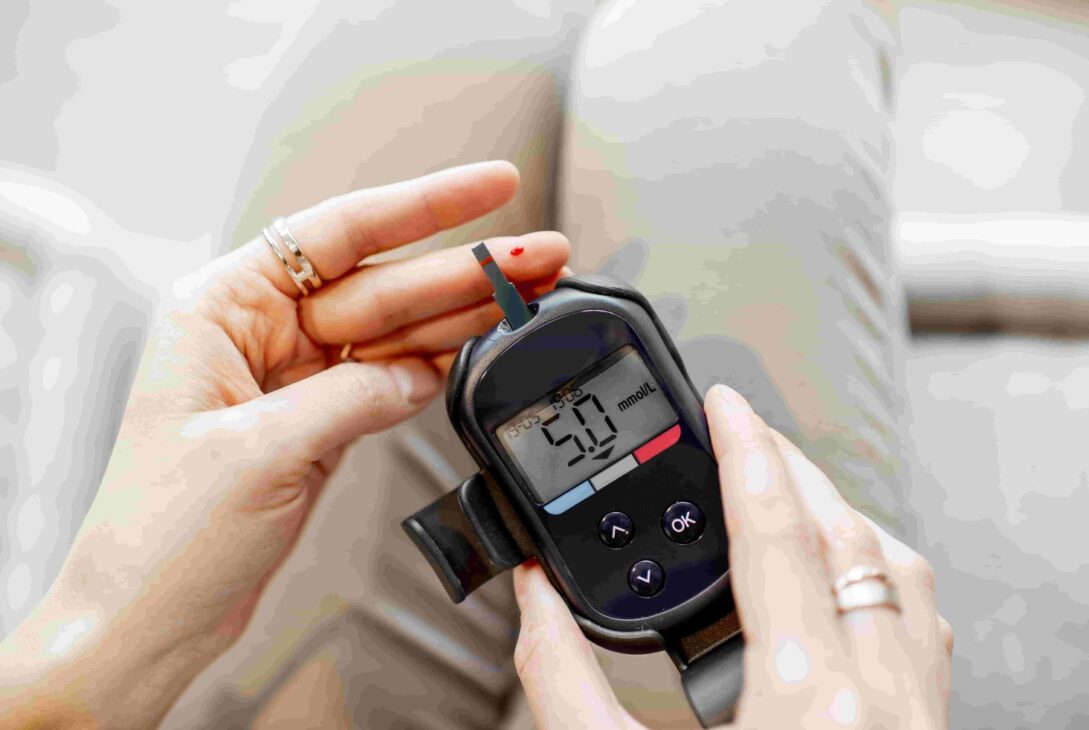
If someone has type 1 diabetes, Type 2 diabetes, or has been identified with gestational diabetes in pregnancy, they might need to examine and track the levels of their blood sugar at home.
Monitoring your blood sugar level is among the most effective ways to control diabetes. It allows you to determine how diet, medication, and exercise can affect the disease. The ability to monitor the levels of blood sugar can help the patient and doctor create a successful diabetes treatment strategy.
Doctors advise the use of portable blood glucose meters, also known as glucometers, to check the levels of blood sugar.
What is the term glucometer?
Glucometers are lightweight, practical, and easy-to-use gadgets that can be used to monitor blood sugar levels at any time and at any time. These devices test a small volume of blood normally at the tip of a finger and report results in minutes. Glucometers can help determine levels of blood sugar that keep fluctuating, and therefore they are required to check the levels frequently and then record the results.
How to use the glucose glucometer?
You should follow a step-by-step procedure when using a glucometer at home in order to avoid the spread of infection and to prevent false results while monitoring the effects of diabetes. It is important to follow the guidelines on the glucometer. The procedures for using a glucometer include:
- Cleanse your hands thoroughly using soap and water, then pat dry with a towel or make use of an alcohol swab cleanse the fingers and ensure that it is dry before you test.
- Take a test strip out of the strip box. The strip should be placed into the slot in the glucometer, before poking the finger. This makes it simple to connect the blood sample to the strip. Certain glucometers require the sample of blood to be placed into the strip first, and after that, it is inserted inside the slots.
- Make use of a lancet that is clean (a device that is used to hold the needle) to poke the point of your finger. Set up the lancing device.
- Remove the cap from the lancing device.
- The lancet should be inserted by pressing it into the holder.
- Attach the cap, as well as adjust the device according to the thickness of your skin (smaller numbers result in smaller more comfortable punctures).
- Make a puncture on the fingertip using the lancet that is clean and allows the blood to leak out.
- Drop a few drops of blood which oozes out onto the area marked on the strip that has been placed inside the glucometer. Be sure that your skin isn’t directly in contact with the strip. This is crucial because leftovers from food or medicine on the fingers may influence the results of the test.
- Hold an unclean cotton pad at the site of the prick to stop blood flow.
Utilization of the instrument called a glucometer:
- To determine if sugar levels in the blood are in control or are too excessive or low.
- To identify the patterns that blood glucose levels show (when the levels of blood glucose will likely increase or even low).
- To track the changes in blood glucose levels following exercise or under stress.
- To assess the effect of the diabetes treatments.
- To find out if changes in lifestyle such as exercise and diet are aiding in the fight against diabetes.
- To evaluate how well the individual is achieving certain treatment objectives.
What are the usual glucometer readings for someone with diabetes?
If you’re a person who doesn’t have prediabetes or diabetes norm for blood sugar levels a person should be:
- Fasting blood sugar levels: between 70 – 99 mg/dl
- Post-prandial (1-2 hours after meals) glucose levels Lower than 140 mg/dL
What are the typical glucose levels for those with diabetes?
In accordance with the American Diabetes Association, blood sugar levels for diabetics should be:
- Fasting blood sugar levels: between 80 – 130 mg/dl
- Blood sugar levels postprandial less than 180 mg/dl
Conclusion
Monitoring the levels of blood glucose can help in managing diabetes, as well as reduce the chance of developing complications in the long term. A glucometer is recommended since it will always come in handy to determine if blood glucose levels are normal or excessively low or high. Glucometers are great for those who wish to monitor their blood glucose levels frequently in a relaxed, simple, and less painful way. In light of the findings, you can make the necessary diet or lifestyle adjustments.

I'm a Digital Marketer, Market Researcher, and Content Writer, Who Loves to Help Others Understand the World of Marketing.