
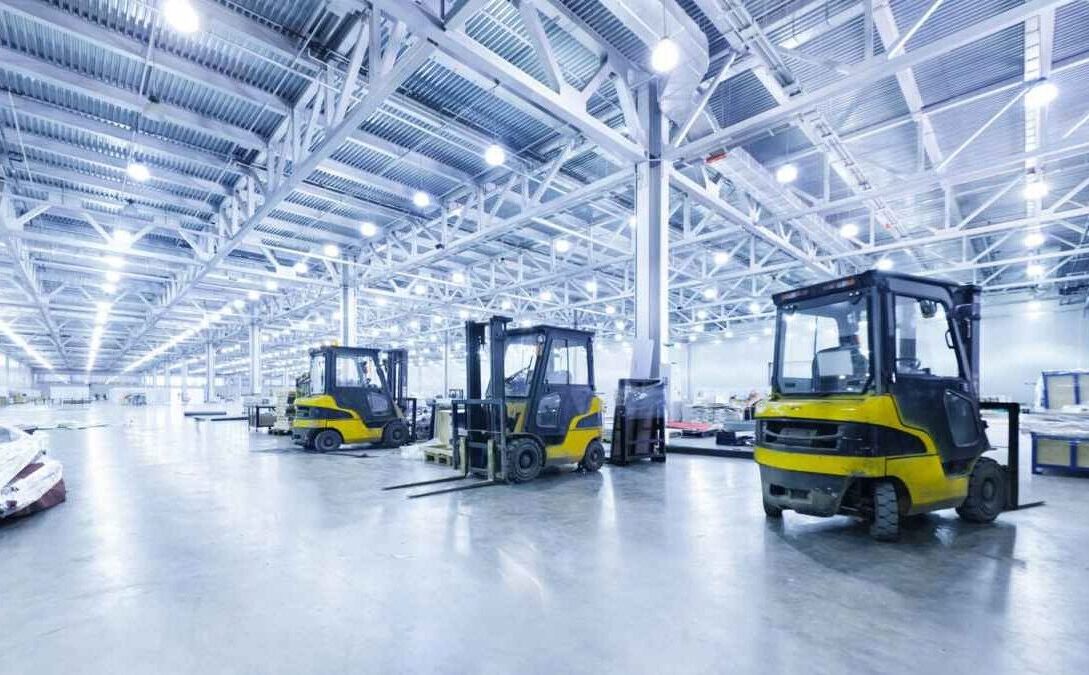
If you are looking for a warehouse rental it is important that you choose one with the proper size, location, and facilities. In particular, you’ll want to take into consideration how large the facility is if there are electrical outlets, the ceiling’s height along with the HVAC.
Square footage
If you’re considering renting commercial warehouses it is important to know what you’re getting into. Knowing the dimensions of the space could be a huge advantage and help you better plan your strategy and make the most of your profit. There are a variety of methods to determine the right area for your requirements.
One of the first points to keep in mind is the distinction between rentable and usable square feet. Making the wrong choice could result in paying hundreds of dollars in additional rent throughout the course of the lease’s life. Knowing these terms and the best way to calculate them will assist you in making the most out of your investment.
When measuring, keep in mind that some standards have an error of 2 percent. An error of a small magnitude can be a significant amount of dollars if you have plenty of space.
Location
If you are considering renting a warehouse for commercial use it is important to think about the pros and cons of the location. For instance, the area could be the best for clients however, it might require a more favorable environment to efficiency and customer retention. An in-depth study of the demographics in the area and transport infrastructure is essential. This will help you maximize your warehouse space without the need to physically increase it.
There are a lot of aspects to take into consideration but a few helpful suggestions will allow you to make an informed choice. An attractive location will draw your clients and keep returning to return. For this, you should consider these points:
The most effective place to begin is to do a quick Google search. In addition to the obvious choice that Google is the best option, we suggest you also searched for information on the local environment and social circumstances. These include weather conditions as well as the potential for exposure to natural disasters and traffic congestion. It is also important to be aware of the caliber of the local staff. Particularly, you need to ensure that the team is knowledgeable, skilled, and capable of providing outstanding service.
Ceiling height
When you lease a commercial warehouse the ceiling’s size is an important element to be considered. It is helpful to understand the differences between the low and the high range.
A higher ceiling will provide more storage space as well as better access to the equipment and products. A lower ceiling could result in small, uncomfortable spaces. A low ceiling can limit the kinds of items you can keep in the warehouse.
A higher ceiling for your warehouse can aid your business in saving space and improve the efficiency of your operation. This is particularly true in the event that you require storage for large objects.
The most effective method to determine the ideal floor height to suit your business is to determine the amount of cubic footage you’ll require for your products and equipment. This can be accomplished by multiplying your floor area by the size of the building.
HVAC
If you’re leasing a warehouse for commercial use then you’re probably worried about the HVAC. The reason for this is that the people who live there are able to alter the purpose of the room or the whole structure. A well-written lease can limit the expenses associated with the costly HVAC system.
The cost of purchasing a new HVAC system will usually decrease as time passes, which is why it is crucial to understand the terms of service you’re getting. One way to do this is to request assurance from your landlord.
Another method of protecting yourself is to sign an annual service contract for the HVAC system. A reputable service provider will make sure that the HVAC unit is operating in top of good condition, and can even provide maintenance reports to ensure that your landlord is current.
Electrical outlets
Electrical outlets are an integral element of a commercial warehouse available for lease. They permit you to connect electric lights, power tools, and other tools. A lot of appliances come with special plugs. If you use a damaged electrical outlet, it can cause damage to the wall. If this occurs then you must get in touch with your landlord to arrange a repair.
Your landlord could provide you with a timeframe to arrange repairs. The majority of states require at least 30 days, but you might be able to request a longer period of time when the damage is serious. A charge cannot exceed a month’s rent. Your landlord can request to pay a refund of the cost of repairs.
It is vital to know that the responsibility of your landlord to maintain the electrical system doesn’t involve repairing electrical outlets. It is therefore important to not contact your landlord unless you have to replace and repair an outlet.

I'm a Digital Marketer, Market Researcher, and Content Writer, Who Loves to Help Others Understand the World of Marketing.