
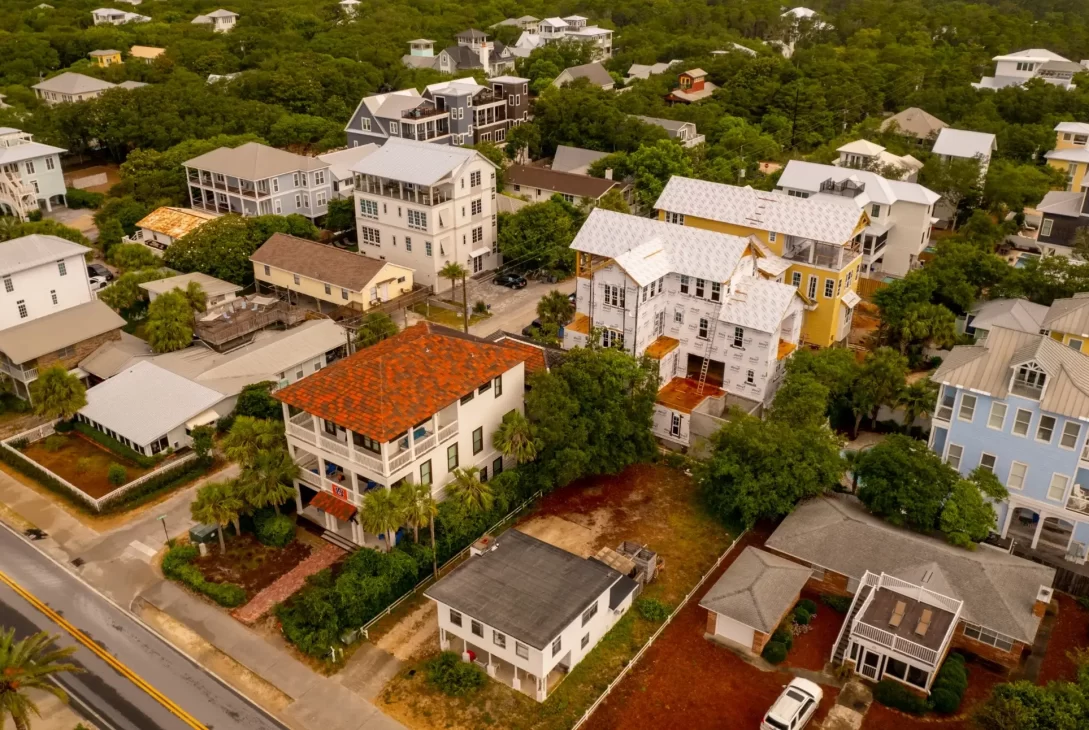
The supply of short-term rentals increases the occupancy rate has decreased increasing and is getting closer to levels in 2019.
It’s a tale that’s being repeated across social media platforms of landlords of rental properties across the country The vacation rental market is not producing the steady income investors had hoped for during the outbreak. The age of #Airbnbust is taking the throne.
Real property Investor Sabrina Must, who once was able to rent her two-bedroom home situated in Encinitas, California, for $1000 per night during the weekend of a holiday has reduced her rates to $275 per day, due to the waning demand The Wall Street Journal reports. Another couple who jumped into real estate investment during the pandemic had strong reservations at the beginning of the year and then saw lower occupancy rates in the summer.
This is a concern for a lot of everyday people who have decided to take to get into investing in real estate during times of high demand, but without an alternative plan or ability to stay competitive in the recession. As the market changes it appears that the short-term rental approach is losing popularity, especially as a starting point for newbies.
Why the Short-Term Rental Strategy is Losing Steam?
Cash flow is limited by oversupply.
Airbnb occupancy levels have been showing annual declines for eight weeks in a row, according to information from the vacation rental research company AirDNA. This isn’t because inflation has reduced the rental demand for short-term homes. In reality, the number of nights stayed has increased by 21.3 percent in October, compared with the previous year. However, the number of Airbnb listings has risen 23.3 percent year-over-year. Sixty-six new rental properties were advertised in October, a rise that was more than double the growth prior to the month of October.
What caused the shortage? The demand for second homes nearly doubled due to low-interest rates interacting with remote working opportunities and the need for greater space. The rising demand for rentals for vacations and record revenues in 2021 has also prompted an emerging group that invests in real estate to purchase houses solely for rental. Now, Zillow predicts the number of landlords who are first-time substantial owners of second homes attempt to make money off their properties as inflation continues and expectations for the stock market are skewed. Additionally, homeowners who have secured low-interest rates might be enticed by the prospect of renting their houses instead of selling when the time comes to move.
However, occupancy rates are rising by 12.8 percent compared to the month of October of this year. AirDNA predicts that the supply of homes will grow by another 9 percent in 2023, despite the high mortgage rates, which are creating affordability issues for potential buyers of second homes but expects occupancy rates to remain over pre-pandemic levels. But, if a rise in unemployment stifles the rental market for short-term rentals, or if homeowners choose to be hosts in order to boost their earnings, there’s an argument to believe that occupancy rates may fall more.
The average daily rate of growth and bookings slow.
Comparatively to the year prior the demand for short-term rentals has remained steady or increasing across the globe. The growth in revenue for Airbnb decreased from 58% in the second quarter, to 29 percent for the quarter ending March and Airbnb expects that the holiday season’s revenue isn’t as high as expected from the market.
AirDNA also reports a slowing increase in the average daily rate. The 5.6 percent increase in the average daily rate (ADRs) anticipated for 2022 could be an actual loss due to inflation. In addition, ADR growth is anticipated to slow down to 1.7 percent in 2023, and inflation is expected to stay elevated. Revenue per available space is also likely to decrease due to the slightly higher rates will not be enough to compensate for the drop in occupancy rates.
Local authorities are taking action to crack down.
The short-term rental market was relatively unregulated at the time of Airbnb however there are many cities that do not have hosts applying for authorization for short-term rentals. However, more and more local governments are tightening the rules for short-term rentals in response to concerns that the overabundance of vacation rental properties impedes the supply of affordable rental housing within a community.
The rules in New York City, short-term rentals that are under 30 days are forbidden unless the host is present and guests have unimpeded access to the entire apartment. The same is true for San Francisco, short-term rentals must be residences where the owner is residing for at least 275 days each year. In the same way, Denver only allows homeowners to apply for a short-term rental permit for their main home. These are only a few examples of an increasing number of cities that are taking action against short-term rentals. It’s clear that those who are entering the market for short-term rentals must have an alternate plan in case major cities that rely on the revenue generated by tourism have passed strict regulations for landlords of rental properties It could happen anyplace.
How Investor Struggles Could Impact the Housing Market?
Investors who took advantage of rental properties in the midst of the pandemic on predicted ADRs might not be able to finance their mortgage payments. As occupancy rates continue to decline, many will have to sell their property. A widespread sale of properties destined to be used for short-term rentals will boost the supply of homes which could lead to a decline in the value of homes. A lack of inventory is one factor that is currently hindering home prices from falling too fast even as potential home buyers reduce their purchases due to rising mortgage rates.
The most serious issue could be a result of a fall in prices and investors who are new coming out with mortgages that are underwater. In the past year the credit-based debt coverage ratio (DSCR) loans have become more prevalent, Bloomberg reports, allowing investors to be eligible for higher amounts based upon future income projections, not the need for a substantial down payment or personal income. Certain loans (it’s unclear exactly how they were packaged) have been packaged up and offered by investors in the form of mortgage-backed securities offered by Wall Street firms. Many lenders in this space have indicated that they will offer hundreds of millions of rental-based loans this year and a significant percentage of the borrowers will be eligible according to anticipated Airbnb income.
While many experts say that there won’t be a real housing crisis because lending standards are much more strict than they were prior to the 2008 crisis in the economy, loans based on rental are a different story. Without an accurate count of the number of loans in existence and the number of loans available, it’s hard to know the likelihood of defaults that could trigger enough foreclosures to affect the economy. It is likely that this Airbnb slowdown could result in more homes for sale.
How to Stay in the Airbnb Game?
The abundance of short-term rental properties indicates that owners in the market have to be top hosts in order to keep their high-income levels. Brian Egan, CEO, and co-founder of the vacation rental management firm Evolve and tells The Wall Street Journal that hosts who are successful provide an exceptional experience by raising the standard for hospitality and making sure that the property is up to or above the expectations of guests after looking at the property.
Hosts should also investigate the algorithm that each listing platform employs in order to improve their reach and improve their listings to increase conversion. The importance of professional images and providing reasonable pricing and policies will boost the chances that customers will book your rentals, and fast responses are crucial.
In the end, having a backup plan is vital. It’s possible that you won’t get the amount you’d like to earn when there’s a shortage of homes in your area. A recession that is severe could reduce the demand for rentals for vacations generally. Local laws could stop you from listing your home as a rental for short-term use. It is possible to switch to a long-term or medium-term rental plan that you must ensure is feasible in the region that you intend to purchase. It is also important to have sufficient cash reserves to cover maintenance and mortgage payments in the event that fair market rent doesn’t generate the cash flow you need to make.
The Airbnb boom could be ending however, there’s still a chance to make profits from renting out short-term properties, particularly for investors who are experienced and strategically minded. Although occupancy rates have slowed from their highest levels and hosts earn more than they did prior to the epidemic. However, the cost of property and mortgage rates have soared since then, which means that prospective investors should be careful. Don’t assume that any property you purchase is guaranteed success. Know what you are taking on, take informed purchase choices, and be ready to change your plans in a changing economic environment.

I'm a Digital Marketer, Market Researcher, and Content Writer, Who Loves to Help Others Understand the World of Marketing.