Nutrition and diet play a vital part even after a hard exercise. The success of weight loss is linked with the rule 70/30. It means that weight loss is 70% of the food you consume and 30% exercise. Have you ever been aware of the food you eat after a workout similar to your pre-workout meal? It is because getting the right amount of nutrients following exercise is as important as the food you consume prior to. To help you maximize your nutritional levels following exercise, we’ve created the following guide. The guide will explain what you need to consume after exercising as well as the essential nutrients you should take in after exercise and the best time it is appropriate to consume the nutrients.
The Body’s Condition Following the Workout
When working out, muscles consume all glycogen that is in the body (the most preferred source of fuel). In the event of a depletion of glycogen, the protein within the muscles could degrade or be damaged. After you’ve completed exercising the body replenishes glycogen and repair the muscles’ proteins. Rapid repair and recovery of these muscles and proteins are only possible if you are eating the right food.
Training on an empty stomach and Pre-Snack?
There is a widespread belief that the body is able to use the carbohydrates and fats that are already stored when you exercise, rather than the foods that you’ve recently eaten. Research suggests that there aren’t any significant changes in body composition can be observed between those who eat food or do not eat prior to exercising.
Recovery and Post Workout Interrelation
Recovery from exercise after a workout is an essential element of any exercise routine. If you can get your recovery right and your body is healthy, you will be protected from the negative consequences of overtraining. Therefore, your fitness coach should devise a suitable post-training recovery plan for you according to your exercise routine and fitness goals. In addition, you should depend on specific nutritional strategies that include the reasons you should eat what and when, as well as what amount of nutrients you should consume to maximize your recovery.
Macro-Nutrients : Protein, Carbs and Fats
Macronutrients like carbohydrates, fats, and proteins play a major part in the body’s recuperation process following a workout.
Protein Repairs and builds Muscles
As previously mentioned the process of exercise results in the breakdown of muscles protein. The rate at which muscle protein is broken down is dependent on the kind of exercise you’re doing as well as your level of training. In the event that you consume proper amount of protein following training your body will absorb amino acids, which will restore and strengthen your muscles. The amount of protein you should consume after exercise can be 0.14-0.23 grams for every pound body weight.
Carbs Help in the Recovery
Carbs are the most important source of energy your body needs when exercising. The speed that they are consumed will be contingent on the kind of exercise. Consuming carbs following exercise can aid in replenishing glycogen stores. If you participate in sports like strength training, for example, that requires physical strength then you’ll need to take in more carbohydrates prior to and following exercising. Studies have proven that taking 1.1-1.5 grams of carbohydrates per kg body mass within an hour after exercise can aid in the proper glycogen synthesis.
Not all fats are Bad
There is a myth that fats are harmful. While some fats are healthy and beneficial some are harmful, while others are good. The best fats are polyunsaturated and monounsaturated fats , which are typically derived from fish as well as nuts, vegetables, and seeds. However, bad fats are trans fats that are found in foods like margarine or vegetable shortening. In terms of post-workout recovery, fats can reduce your meal’s post-workout consumption, yet they don’t change the benefits of your meal. But, it is wise to reduce your intake of calories consumed after workouts.
Micronutrients Water-Soluble and Fat-Soluble Vitamins
Vitamins can be classified into two categories they are the water-soluble (vitamins B and C) and fat-soluble (vitamins A, D, E, and K). They are necessary for recovery after exercise. Vitamin A is a key ingredient in protein synthesizing, vitamin C increases collagen production. It also helps joints be stronger to take on heavy weights. B-complex vitamins assist in the creation of energy which is utilized to repair muscle.
The timing of the post-workout meal is crucial.
The body’s response is to build glycogen and protein following exercise. This is the reason you must take in the necessary nutrients in the shortest time possible following your workout. It is suggested to eat food post-workout within 45 minutes after exercising.
What should you eat post-workout?
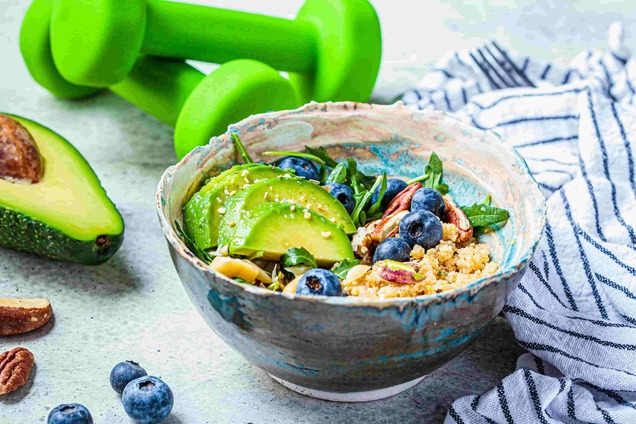
The food you eat after a workout should be composed of carbs as well as proteins, fats and micronutrients. Here is a brief the list of food items you must consume after each bout of exercise:
Whole grains
Fruits
Cottage cheese
Salmon
Protein shake
Greek yogurt
Chicken
Eggs
Nuts
Don’t forget to Hydrate
It is vital to drink enough fluids after exercising. Your body needs more water because it loses it when sweating. Replenishing the loss of water and electrolytes can facilitate effective recuperation.
Conclusion:
Fats, carbs, proteins as well as micronutrients are vital to consume immediately after a workout to aid your body achieve optimum recovery. This is why you should consume healthy fats such as fish, nuts, and fatty foods and carbohydrates like whole grains. In order to prevent the breakdown of proteins when exercising it is advised to consume quality protein post-workout. You can depend on Prohance HP which is an especially formulated high-protein powder that is not only able to meet your daily protein requirements but also helps you meet the other nutritional requirements. It contains 45g of premium Whey protein, prebiotic fibers along with 23 minerals and vitamins This sugar-free protein supplement can provide an energy boost in times of fatigue. It helps speed up recovery following illness, exercise or surgical.

I am a WordPress Developer and SEO Executive. I've been writing blogs for the past 1 year, and I love to read books. I'm passionate about helping businesses reach their potential through content writing, SEO techniques and website development.