
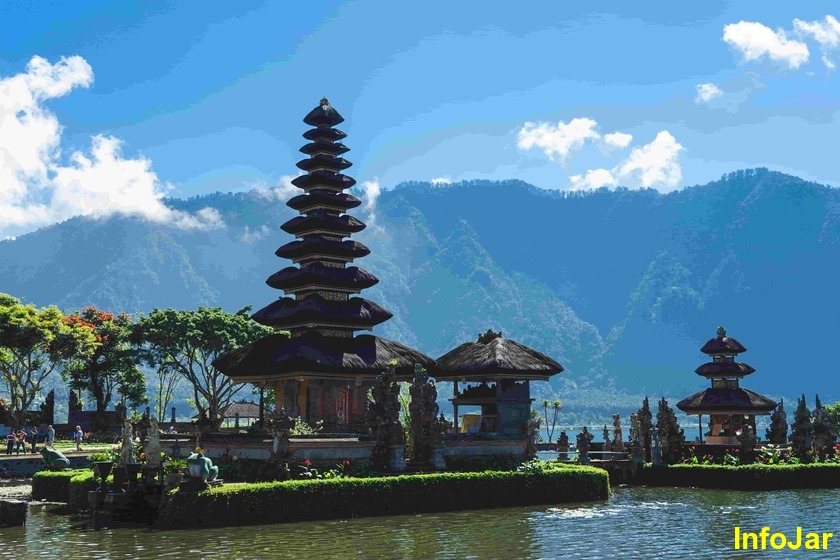
The opening of Bali’s airport to international flights , and the throngs of people expected for the G-20 summit as well as other events have given hope for a better turnaround in the tourism sector. It has introduced an electronic nomad visa which is scheduled to go into effect in December.
A host of world leaders as well as other high-ranking officials are heading to Bali to attend this year’s G-20 summit, putting attention to the return of Bali’s crucial tourism industry.
Tourism is the major source of income for this picturesque “island that is inhabited by gods” which hosts over 4 million people mostly Hindu in the majority Muslim island nation of the archipelago.
The pandemic struck Bali more than other locations in Indonesia.
Prior to the outbreak, 6.2 million foreigners arrived in Bali every year. Its vibrant tourism industry waned when the first case of Covid-19 was detected within Indonesia in March of 2020. resorts and restaurants shut down and many workers moving back to their villages to survive.
Foreign tourists’ arrivals fell to just 1 million by 2020, most of them in the beginning of the year. They increased eventually to just a handful in 2021, as per government figures. Over 92,000 people working in tourism were laid off as the occupancy of Bali hotels was less than 20 percent.
The economy of the island contracted 9.3 percent by 2020, down from the previous year and then fell almost 2.5 percent over the course of 2021.
“The coronavirus outbreak has destroyed the local economy to a great extent,” said Dewa Made Indra, regional secretary for Bali province. “Bali is the region that has the worst economic contraction.”
After being closed to all tourists early during the pandemic, Bali reopened to Indonesians from all over the country by the mid-2020 period. This was a relief, but an increase in cases in July 2021 filled the normally busy streets and beaches. Authorities banned public activities, shut down the airfield, as well as closed all bars, shops and restaurants that sit down tourist spots, as well as numerous other locations located on the island.
Monkeys starved of their favorite food source of peanuts, bananas as well as other food items provided by tourists — began to raid villages’ homes in quest for something delicious.
The island was opened for domestic visitors one month later, in August, however in the total of 2021, only 51 foreign tourists came to the island.
The outlook is much brighter at the moment. Restaurants and shops in areas such as Nusa Dua, a resort location in which the G-20 meeting is held and other towns such as Sanur and Kuta have reopened, even though the economy is still slow, and a lot of hotels and restaurants remain shut or have reduced operations.
The opening of Bali’s airport for international flights and the throngs of people expected for the G-20 summit and other events have sparked hopes of an improvement in the situation, Dewa said.
Over 1.5 million foreign tourists as well as 3.1 national travelers were in Bali in October of this year.
Aiming to develop more sustainable models for tourism, Bali has rolled out the digital nomad visa program that is known as”the “second residence visa” and scheduled to go into effective in the month of December. It’s also one of 20 places Airbnb recently announced it would be working with to facilitate remote work. This includes locations located in the Caribbean and the Canary Islands.
The recovery process will be slow regardless of whether Covid-19 is prevented from occurring.
Gede Wirata who needed to lay off the majority of the 4,000 workers in his restaurants, hotels and clubs as well as on cruise ships during the worst phase of the pandemic, discovered that when the time came to rehire them , many were employed abroad or in other tourism-related companies.
The G-20 is an important boost. “This provides an opportunity to recover from the depths of the crisis,” he said.
There’s a path to take.
“The situation hasn’t fully recovered, but in any circumstances, life has to continue,” said Wayan Willy who runs a tourism agency in Bali along with a few of his acquaintances. Before the pandemic, the majority of their customers were foreigners. Nowadays, it’s mostly local tourists. However, even those are very few and far between.
Bali has had a rough time over the years. In times, the island’s stunning volcanoes have been rumbling to life, sometimes being erupting or spewing Ash.
The dark cloud of suicide bombings that struck the beach resort of Kuta which killed 202 people, mostly foreigners in 2002 hung around for a long time, devastating the tourism of the island that is famous for its tranquility and peace.
Recent rainstorms that caused flooding and landslides to some areas, further increasing the pressure on communities that are trying to restore their tourism businesses.
As the situation began to improve, Yuliani Dajanegara is the owner of a company manufacturing traditional beauty products like oil massage, soaps made from natural ingredients and products for aromatherapy under the brand Bali Tangi Bali Tangi, got back to work.
Her factory was shut down in 2020, after the demand from spas, hotels, and salons across America, Europe and Russia dwindled. US, Europe, Russia and the Maldives were dwindling, and she was able to take orders for her products ranging from upwards of 1000 kilograms (1 ton) to nil.
So so far, Djajanegara has rehired 15 of the 60 employees she was forced to let go during the darkest days of the pandemic.
She’s optimistic but beware.
“Tourism is Bali is similar to a sand castle” Djajanegara said. “It is gorgeous however, it is also susceptible to being destroyed by waves.”

I am a WordPress Developer and SEO Executive. I've been writing blogs for the past 1 year, and I love to read books. I'm passionate about helping businesses reach their potential through content writing, SEO techniques and website development.