
The latest research examined the effect of large dosages of vitamin B6 in young adults. The results showed that they felt less depressed and anxious after taking the supplements each throughout the month.
Participants felt less anxious or depressed when they took large dosages of Vitamin B6 for a period of one month. The trial proves that the relaxing effect that B6 exerts on the brain may be effective in treating or preventing mood disorders.
Scientists from the University of Reading measured the effects of high doses of Vitamin B6 on adolescents and discovered that they felt less stressed and depressed after taking the supplements each throughout the month.
The study, which was published by the Human Psychopharmacology: Clinical and Experimental offers evidence-based arguments to justify the use of supplements that are believed to alter levels of brain activity to treat or prevent mood disorders.
“Dr. David Field, the principal author of The School of Psychology and Clinical Language Sciences at the University of Reading, said: “The functioning of the brain depends on a delicate balance between excitatory neurons that transmit information and the inhibitory neurons that prevent the runaway behavior.
“Recent theories have linked mood disorders and other neuropsychiatric illnesses to an imbalance usually with a rise in amounts of activity in the brain.
“Vitamin B6 helps the body create a chemical messenger that blocks the activity of brain cells Our study demonstrates this relaxing effect to less anxiety in the study participants.”
Although previous research has provided evidence that marmite and multivitamins may reduce stress levels, very few studies have been conducted to determine which specific vitamins in them trigger this effect.
The study was centered on the possibility of Vitamins B6 that is believed to boost our body’s capacity to make GABA (Gamma-Aminobutyric Acid) A chemical that inhibits impulses between nerve cells of the brain.
In the current study, over 300 subjects were randomized to Vitamin B6 as well as B12 supplements that were far beyond the daily recommended consumption (approximately fifty times more than the daily allowance recommended) and a control, and consumed one supplement a day along and ate a meal for a month.
The study revealed that Vitamin B12 did not have any effect in comparison to placebo over the course of the study, however Vitamin B6 was an statistically significant difference.
Increased levels of GABA among those who took Vitamin B6 supplements were confirmed through visual tests conducted at the conclusion of the study, confirming the notion that B6 may be responsible for the decrease in anxiety. Minor but beneficial changes in the visual performance of participants were found, which was consistent with amounts of activity in the brain.
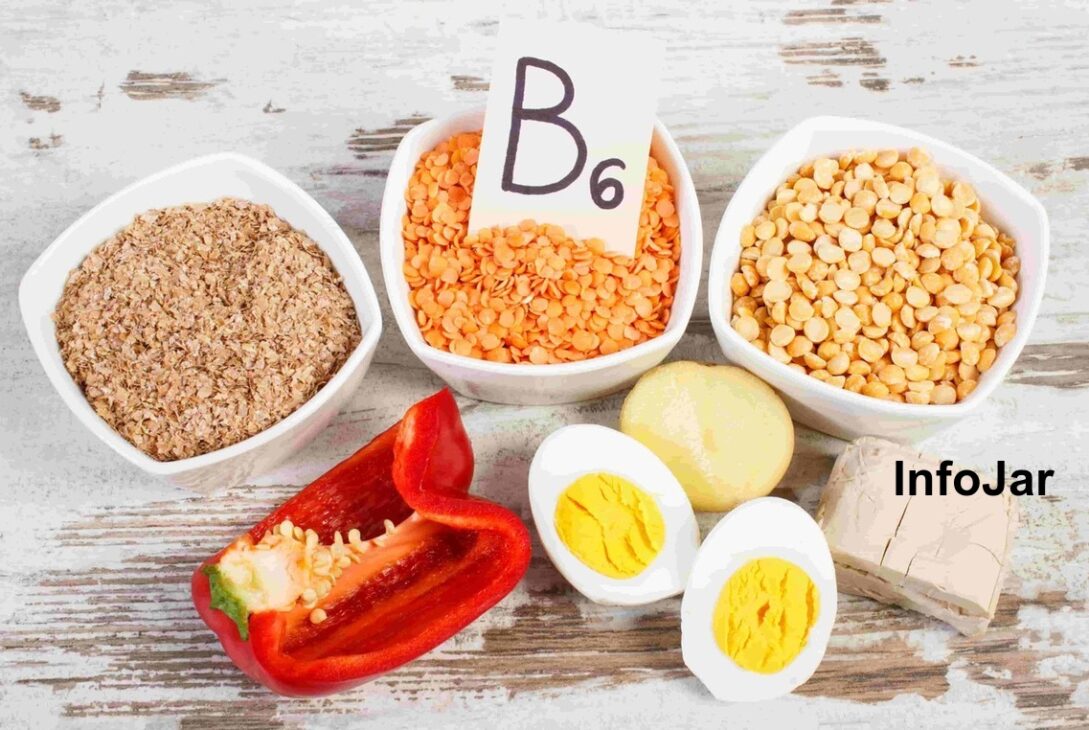
Dr. Field said: “Many food items, such as chickpeas and tuna, as well as various fruits and veggies, have Vitamin B6. However, the large dosages of this trial suggest that supplements are essential to create positive effects on mood.
“It is crucial to recognize that the research is still at an early stage. The impact that Vitamin B6 to reduce anxiety during our research was tiny compared to what one might expect from the drug. However, the nutritional-based approaches produce less unpleasant adverse effects than drugs which is why in the near future, people may choose to use them as an alternative.
“To be able to make this an viable decision, further studies are required to find other nutrition-related interventions that can benefit well-being and mental health, which will allow various dietary strategies to be paired in the future for better outcomes.
“One possibility is to mix Vitamin B6 supplements with talking therapies like Cognitive Behavioral Therapy to boost their effectiveness.”

I'm a Digital Marketer, Market Researcher, and Content Writer, Who Loves to Help Others Understand the World of Marketing.